A Decade of Desktop Vibes: What Our Wallpapers Reveal About How the Internet Grew Up
Pull up the oldest screenshot you have of your desktop. Go ahead, dig around in your Google Photos or old iCloud backups. Whatever's on that screen — the wallpaper behind the cluttered icons and half-finished documents — is a little time capsule. Not just of your personal taste, but of the exact moment in internet culture you were living through.
Wallpapers are weird artifacts. We treat them as purely personal choices, but they're almost always downstream of something bigger: a visual trend, a mood that was spreading online, a design movement that hadn't been named yet. Looking back at what people were putting on their screens between 2014 and 2024 is, genuinely, one of the more interesting ways to trace how digital culture shifted in real time.
2014–2016: The Galaxy Brain Era
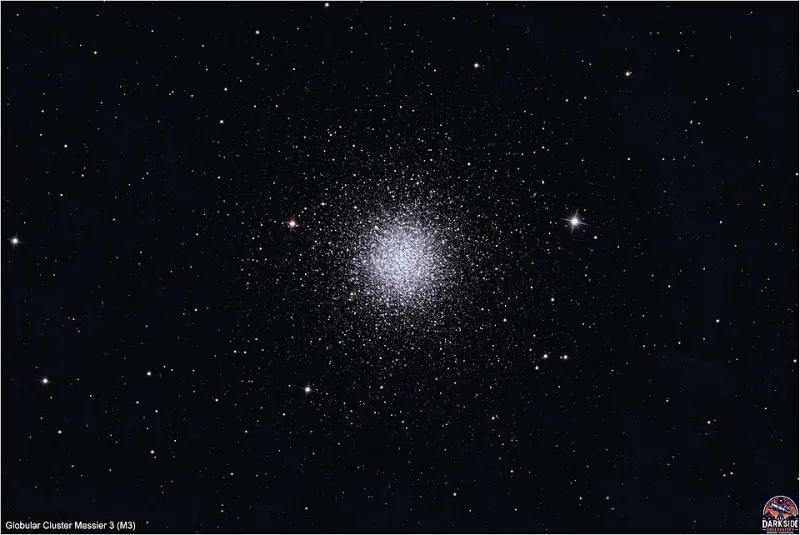
If you were on the internet in 2014, you remember the galaxy phase. Deep space imagery — nebulas, star clusters, the Milky Way shot from some dark-sky location in Utah — was everywhere. Phone cases, leggings, notebooks, and yes, absolutely, desktop wallpapers.
This wasn't random. It tracked with a broader cultural moment: the mainstreaming of science enthusiasm (think Neil deGrasse Tyson's Cosmos reboot in 2014), the rise of Instagram as a visual culture platform, and a general aesthetic appetite for images that felt vast and awe-inspiring. The galaxy wallpaper was the visual equivalent of "we are small, the universe is big, and somehow that's comforting."
Also big during this stretch: geometric low-poly art. Those triangulated, faceted landscape images that looked like a 3D render mid-loading. They hit a sweet spot between digital and natural, which felt very of-the-moment for a generation that was increasingly living in both worlds simultaneously.
2017–2018: Minimalism Takes the Wheel
Somewhere around 2016 and into 2017, the vibe shifted. The maximalist galaxy phase gave way to something quieter. Solid colors. Subtle gradients. The kind of wallpaper that looked like it came pre-installed on a Scandinavian architect's laptop.
This tracked almost perfectly with the broader minimalism wave that was sweeping lifestyle culture — Marie Kondo was becoming a household name, "less is more" was the dominant design ethos in tech (Apple's influence was enormous here), and people were starting to talk about digital clutter the same way they talked about physical clutter.
The wallpapers people chose reflected a desire to calm down. To simplify. A soft beige gradient or a single-color field wasn't boring — it was intentional. It said something about the person using it, and what it said was: I have my life together.
2019–2020: Dark Mode and the Moody Internet
The dark mode revolution changed everything. When Apple rolled out system-wide dark mode in macOS Mojave in 2018 and iOS 13 in 2019, it didn't just change how apps looked — it completely reoriented what a "good" wallpaper was supposed to be.
Suddenly, light backgrounds felt harsh. Dark, moody imagery became the dominant aesthetic. Deep blues, near-blacks, midnight purples. Cityscapes at night. Abstract dark gradients. The Monterey and Big Sur wallpapers Apple shipped with those OS updates became iconic in part because they nailed this mood perfectly — dramatic, cinematic, not quite real.
This period also coincided with a broader cultural darkening, if we're being honest. 2019 and 2020 were not exactly optimistic years for a lot of Americans, and the aesthetic choices people made for their personal screens reflected that ambient unease. Dark mode wasn't just practical. It was emotional.
2020–2021: Lo-Fi, Cottagecore, and the Cozy Retreat
The pandemic years produced one of the most distinctive wallpaper micro-eras of the decade. Two aesthetics dominated, and they were almost mirror images of each other.
First, lo-fi. The lo-fi hip hop aesthetic — animated study spaces, rain on windows, warm lamplight, a cat sitting on a desk — became a genuine cultural phenomenon driven by YouTube streams and the desperate need for a simulated sense of calm focus while working from a kitchen table for the fifteenth month in a row. Static versions of these scenes became enormously popular wallpapers. They didn't just look nice; they created a mood. They were functional art.
Running parallel to this was the cottagecore wave: wildflowers, misty forests, soft morning light through linen curtains. Pastoral, pre-industrial, deeply escapist. People stuck inside their apartments were putting the English countryside on their screens and pretending, just a little, that they were somewhere else.
Both of these aesthetics were fundamentally about comfort and escape. The wallpaper wasn't decoration — it was a coping mechanism.
2022–2023: The Meme Wallpaper and Irony Poisoning
As pandemic restrictions lifted and cultural energy got a bit weird and chaotic, wallpaper aesthetics followed suit. Ironic wallpapers had a moment — deliberately ugly, deliberately funny, deliberately "wrong." Screencaps from obscure TV shows. Deep-fried meme formats. Absurdist imagery that only made sense if you spent too much time on certain corners of the internet.
This was partly generational. Gen Z's relationship with sincerity is complicated, and the ironic wallpaper was a way of signaling in-group awareness while maintaining plausible deniability about caring too much about aesthetics. The "I don't take this seriously" vibe was itself a very carefully constructed aesthetic.
At the same time, maximalism was making a comeback. Y2K nostalgia brought back chrome, metallics, and bubblegum colors. Brat green, barbiecore pink — cultural moments that started in fashion and music bled directly into screen aesthetics.
2024: The AI Inflection Point
By 2024, AI-generated imagery had fundamentally disrupted the wallpaper ecosystem. Midjourney, DALL-E, and Stable Diffusion made it possible for anyone to generate a photorealistic landscape that had never existed, a perfectly lit abstract composition, or a hyper-detailed fantasy scene — in seconds, for free.
The result was a wallpaper landscape that was simultaneously more abundant and harder to navigate. The sheer volume of AI-generated backgrounds available online exploded. Aesthetics that would have taken skilled digital artists days to produce became instantly replicable. Originality became harder to define.
But something interesting happened alongside this: a renewed appreciation for wallpapers that were clearly made by humans. Photography. Hand-drawn illustration. Images with a story behind them. The backlash to AI art in the creative community created space for a kind of authenticity premium — people actively seeking out wallpapers they knew came from a real person's eye and hand.
What Ten Years of Wallpapers Actually Tell Us
Looking at this arc, a pattern emerges. Wallpaper trends don't happen in isolation. They're responsive — to technology shifts, to cultural anxiety, to generational identity formation, to whatever's happening in the broader visual culture at any given moment.
Your desktop background isn't just decoration. It's a little mirror. And when you look at what millions of people were choosing to put on their screens over the past decade, you get a surprisingly honest picture of how the internet felt to live inside — year by year, mood by mood, pixel by pixel.