500 Wallpapers Saved, Zero Actually Used: The Digital Hoarding Habit Nobody Talks About
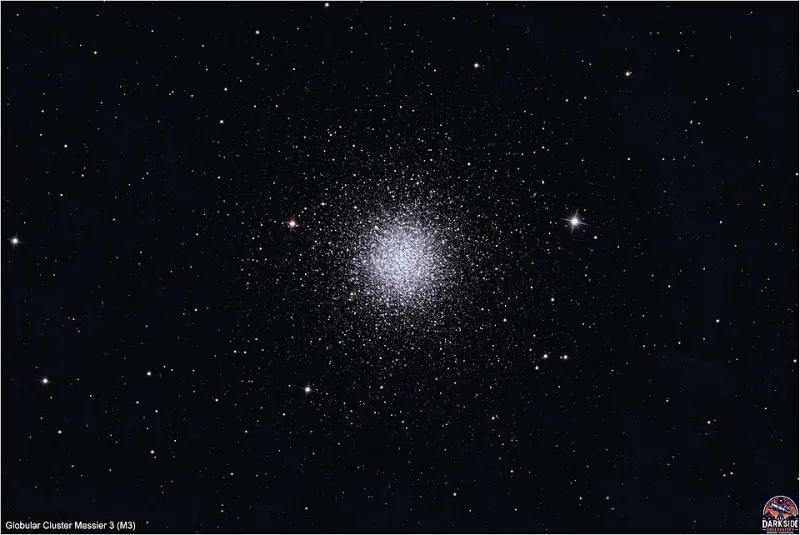
Photo: Thedarksideobservatory, CC BY-SA 4.0, via Wikimedia Commons
Open up your downloads folder. Go ahead — we'll wait. Somewhere in there, buried between old PDFs and forgotten screenshots, there's probably a graveyard. A collection of stunning mountain landscapes, neon cityscapes, moody abstracts, and at least three different versions of that one anime wallpaper you swore you'd use "eventually."
You saved them with the best intentions. You meant to rotate through them. But somehow, your desktop has been rocking the same background since last November, and those 500 carefully downloaded images are just sitting there, untouched, taking up space on your hard drive like digital furniture you never moved in.
Welcome to the wallpaper graveyard. It's crowded in here.
Why We Can't Stop Saving Backgrounds We'll Never Use
Here's the thing: collecting wallpapers scratches a very specific psychological itch. According to research on digital hoarding behavior, the act of saving something triggers a small but real dopamine hit. You found something beautiful, you secured it, and now it's yours. That moment of acquisition feels like an accomplishment — even if you never look at the file again.
This is sometimes called "pre-crastination" in reverse. Instead of putting off a task, you're completing a fake version of it. You didn't use the wallpaper, but you saved it, which feels close enough to your brain. Mission accomplished. On to the next one.
Social media makes this so much worse. Platforms like Reddit's r/wallpapers, Pinterest boards, and aesthetic TikTok accounts are basically engineered to surface beautiful images in an endless scroll. Every swipe is another potential addition to the collection. The friction to save is nearly zero — one tap, one click — and that low barrier means your folder fills up faster than you could ever realistically cycle through it.
The Paradox of Too Many Choices
Here's where it gets a little ironic. The more wallpapers you save, the less likely you are to actually change your background.
This is decision paralysis in action, and it's well-documented. Psychologist Barry Schwartz laid it out clearly in his work on the "paradox of choice" — when we're faced with too many options, we often freeze entirely and default to whatever we already have. Your 500-image folder isn't a resource; it's a roadblock.
Think about the last time you actually sat down to pick a new wallpaper. Did you scroll through your collection, feel vaguely overwhelmed, and then just... give up? Maybe you went back to your current background or pulled up a site like WallsWeb to grab something fresh instead of digging through what you already own. That's not laziness. That's your brain doing the rational thing when the cost of deciding outweighs the benefit of a new background.
The collection you built to give yourself more freedom is actually giving you less.
The Real Cost of a Bloated Wallpaper Library
Let's talk storage for a second, because it adds up faster than most people realize. A single high-resolution 4K wallpaper can run anywhere from 5MB to 20MB depending on the format and compression. Scale that across 500 images and you're potentially looking at 5–10GB of space dedicated entirely to backgrounds you're not using.
For most people, that's not catastrophic — storage is cheap. But it's worth asking what that space represents. It's digital clutter, and clutter has cognitive weight even when it's invisible. Studies on digital organization suggest that knowing you have disorganized files — even if you can't see them — contributes to low-level stress and a vague sense of being "behind" on something.
Your wallpaper graveyard is haunting you a little. Not in a dramatic way, but in that quiet, background-noise kind of way.
What Actually Makes a Wallpaper Collection Worth Keeping
Not all hoarding is equal. There's a real difference between a bloated dump of random saves and a curated library that genuinely serves you. The question is how to get from one to the other without spending an entire Sunday afternoon on a task that should take 20 minutes.
A few approaches that actually work:
Set a hard cap. Decide right now that your wallpaper folder will never exceed a certain number — say, 30 images. Every time you add something new, something old has to go. This constraint forces you to be intentional about what you're saving and creates a collection that's actually usable.
Organize by mood, not category. Instead of folders labeled "nature" or "abstract," try organizing by the feeling you want at your desk. "Focus mode," "chill vibes," "hype energy" — whatever maps to your actual mental states. When you sit down to work, you're not searching for a genre; you're looking for a feeling.
Do a 60-second scroll test. Pull up your collection and give yourself exactly one minute to scroll through it. Any image that doesn't make you pause gets deleted. If you hesitate to delete something you haven't used in six months, ask yourself honestly: are you keeping it because you love it, or just because deleting it feels like losing something?
Use a rotation schedule. Apps like Wallpaper Engine on PC or the built-in auto-rotate features on iOS and Android can cycle through a curated playlist automatically. But here's the key: only add images to the rotation that you'd genuinely be happy to see on any given morning. That filter alone will cut your "active" collection down dramatically.
The Art of Letting Go (of a JPEG)
There's something almost funny about the idea of having an emotional attachment to a wallpaper file. But it's real, and it's worth acknowledging. When you saved that image, you had a vision of yourself using it — a version of your desktop that felt more intentional, more you. Deleting it feels like giving up on that vision.
But here's a reframe: a leaner collection isn't a failure of ambition. It's an upgrade. The wallpapers you actually use are the ones that are actually working for you. The ones collecting dust in a forgotten folder? They're not enhancing your digital life. They're just taking up space.
At WallsWeb, we've got thousands of backgrounds across every category imaginable — and yes, we want you to find ones you love. But the goal was never to help you build a stockpile. It's to help you find the one (or the rotating handful) that genuinely makes your screen feel like yours.
So maybe this weekend, instead of saving ten more wallpapers you'll never use, take 20 minutes to clear the graveyard. Your hard drive — and your decision-making brain — will thank you.